
Jackson Hole Through the Ages: A Historical View of Jackson’s Real Estate Market
Keller Williams agent Chad Budge’s family were among Jackson Hole’s earliest residents. Budge is a descendant of Mormon Row homesteaders on his mom’s side; his dad’s family homesteaded just north of Dornan’s.
As a fourth-generation Jackson local, Budge can map Jackson’s evolution like early cartographers mapped Jackson. And as a realtor for the last 40 years, he has also seen the real estate market change with the times.
“It’s a different town than it was when I grew up,” Budge said.
From Homesteaders to Home Buyers
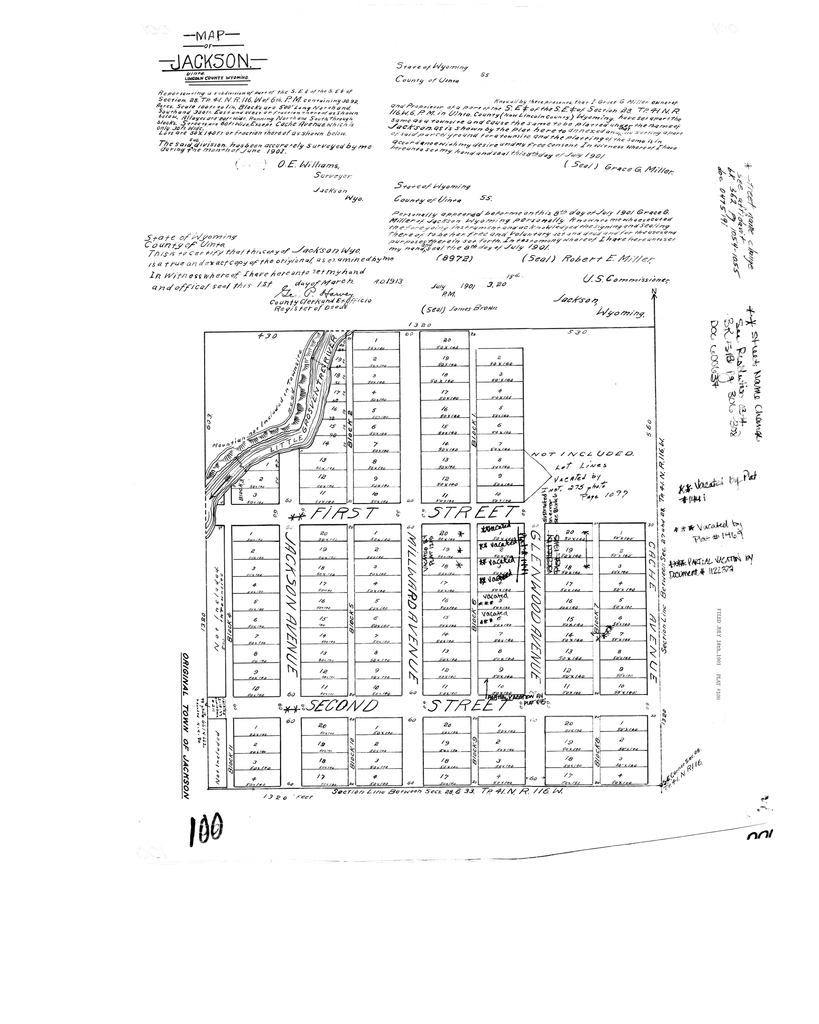
When the first map was drawn of the Town of Jackson in 1901 — six years after it was named and 13 years before it was incorporated — the street we call Broadway was the town’s southernmost edge. The town was divided into 50 x 100’ lots. Roughly 640 homesteaders called Jackson home.
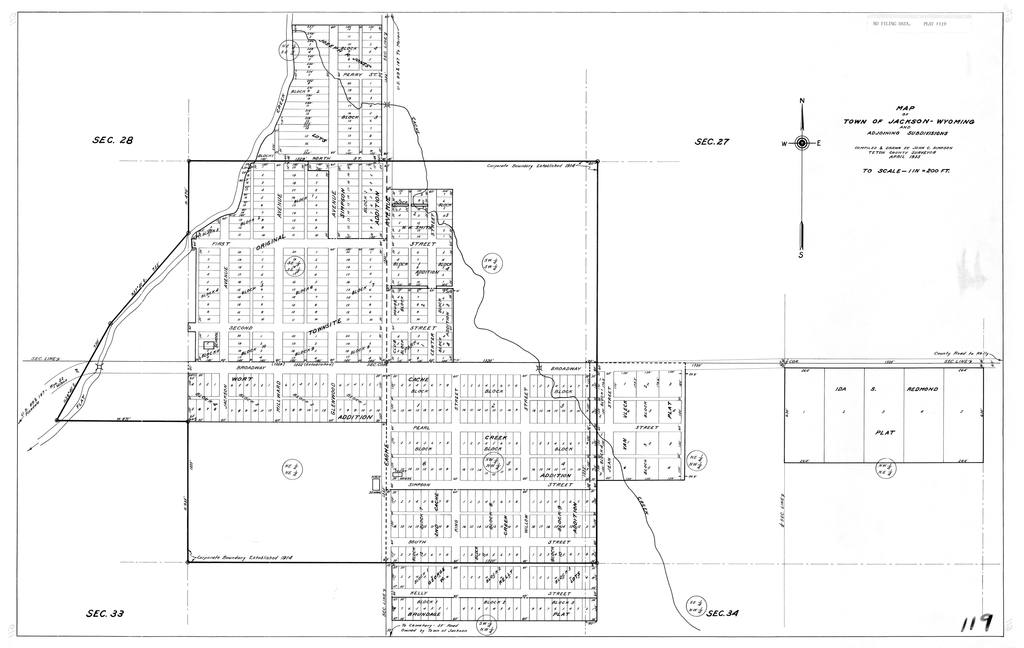
Tourism has largely shaped Jackson’s culture, economy and real estate market. Budge can point to a handful of pivotal moments in the town’s history that changed the game. By 1935, downtown Jackson had expanded. Grand Teton National Park had been established six years prior, and word of the valley’s beauty was beginning to spread.
Broadway was the main thoroughfare. The town had established a corporate boundary, which extended south to Hansen Ave and east to Jean Street. Charles Wort owned four lots in the center of town and and planned to turn them into a luxury hotel — The Wort Hotel would open six years later.
By the time Budge was growing up in the 60s, Jackson was a well-established vacation destination for ambitious summer explorers. Even then, Budge said, traffic backed up to the National Elk Refuge and businesses struggled to find housing for their seasonal employees.
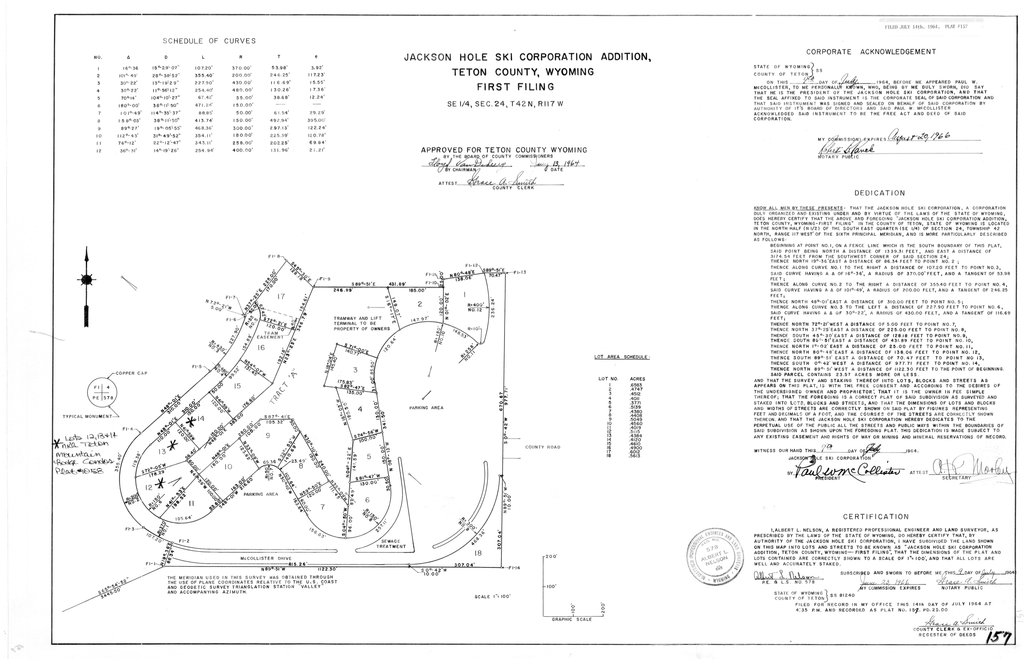
The biggest difference back then, Budge said, was that crowds would reliably be gone by the time the snow fell. Then Jackson Hole Mountain Resort opened in 1965. The ski resort took a few years to catch on as a tourist destination, Budge said, but once it gained momentum, it could not be stopped. Suddenly, Jackson Hole had a winter economy and a winter workforce. Condos and houses filled the base of the mountain, and Teton Village became one of the valley’s first neighborhoods filled primarily with second homes and rental properties.
A New Clientele
The opening of the Four Seasons Jackson Hole marked perhaps the biggest shift in real estate in Budge’s 40-year career. It brought a new, wealthier home buyer into the valley.
“After that, we started seeing a lot of people start looking into real estate,” Budge said. “Most people had never even been to Jackson Hole. That’s probably one of the biggest influences.”
That trend has only accelerated in recent years. Until the last decade, second home sales were the “upper end” of the real estate market and were reserved for places like the Four Seasons, Budge said. Now, the second-home market includes homes in residential neighborhoods like Rafter J and Cottonwood.
Average home prices surpassed $4 million in 2025, according to a recent Market Report. “The wealth factor in Jackson is much stronger than it was even 20 years ago,” Budge said.
That wealth makes Jackson’s real estate market slightly less volatile than other parts of the country, Budge said — nearly 70% of his transitions are cash. But the market does fluctuate with the economy. It took 10 years to bounce back from the last big economic downturn in the early 2000s. The lower end of the market — town homes, condos, etc. — is especially vulnerable to changing interest rates.
Jackson Hole’s story has always been about change. It has been the one constant in Budge’s life. And as long as there’s change, there is resistance to it.
“People used to complain back in the 60s and 70s about it,” Budge said. “I know people who moved even back then because of how much it was changing.”
What drives that change, though, is another constant: Jackson Hole is an incredible place to live. It’s as good now as it was in Budge’s childhood, he said. And there will always be new people who want to experience it for themselves.
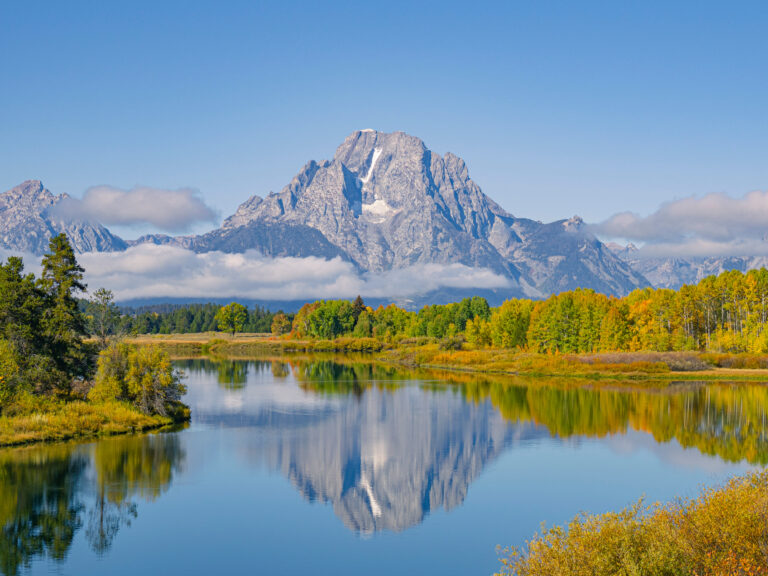
“I always tell clients: unless they move the Tetons and get rid of the [national] parks, Jackson is always going to have an appeal,” Budge said. “There are still millions of people in the world that have not seen Jackson Hole yet.
You can learn more about Jackson Hole’s real estate market in our quarterly and annual Market Reports, or by reaching out to us. Keller Williams agents have deep roots here and offer specific local knowledge to help people navigate the market with confidence. Reach out today!

Ready to Make Your Move?
Our team combines deep local expertise with the data-driven insights you've just read. Let's talk about your goals.
Schedule a Consultation